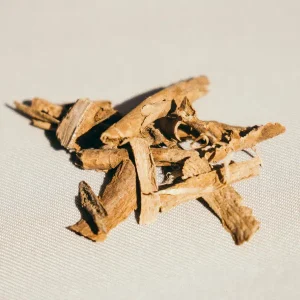
Description
Introduction to Iboga Root Bark
Iboga root bark, derived from the Tabernanthe iboga plant, has long been considered sacred in traditional African spiritual practices. Its psychoactive properties, primarily due to the alkaloid ibogaine, induce intense visions, deep introspection, and profound physical and emotional detoxification.
As the world begins to embrace plant medicines, iboga is now being explored by medical researchers, spiritual seekers, and alternative therapists alike. Although potent, iboga requires respect, intention, and preparation. Therefore, understanding it fully is essential for safe and meaningful use.
Botanical Origin and Active Compounds Of Iboga Root Bark
The Tabernanthe iboga shrub is native to the rainforests of Central Africa. It belongs to the Apocynaceae family and grows as a perennial rainforest shrub. While the entire plant contains alkaloids, the root bark holds the highest concentration of ibogaine, the primary psychoactive compound.
Additionally, iboga root bark contains several other alkaloids, including:
- Noribogaine – A metabolite of ibogaine with long-lasting therapeutic effects
- Tabernanthine – Thought to support ibogaine’s neurological benefits
- Voacangine – A precursor that may enhance the root bark’s overall efficacy
These alkaloids work synergistically, producing a complex and long-lasting psychedelic state that affects the brain, body, and consciousness in deeply interconnected ways.
Traditional Use and Cultural Significance
For centuries, the Bwiti tradition in Gabon and surrounding regions has used iboga root bark in rites of passage, healing ceremonies, and spiritual initiations. The Bwiti people regard iboga as a “teacher plant” that reveals hidden truths and helps them communicate with their ancestors.
During ceremonial rituals, participants consume large doses of iboga to journey beyond the veil, encounter spiritual dimensions, and return with profound insights. They don’t view iboga merely as a psychedelic; they embrace it as a sacred bridge to the divine.
Even today, the Bwiti uphold these ceremonies as vital expressions of cultural identity and spirituality, affirming iboga’s enduring significance across generations.
What Does Ibogaine Feel Like?
Ibogaine is a powerful psychedelic, dissociative, and oneirogenic (dream-inducing).
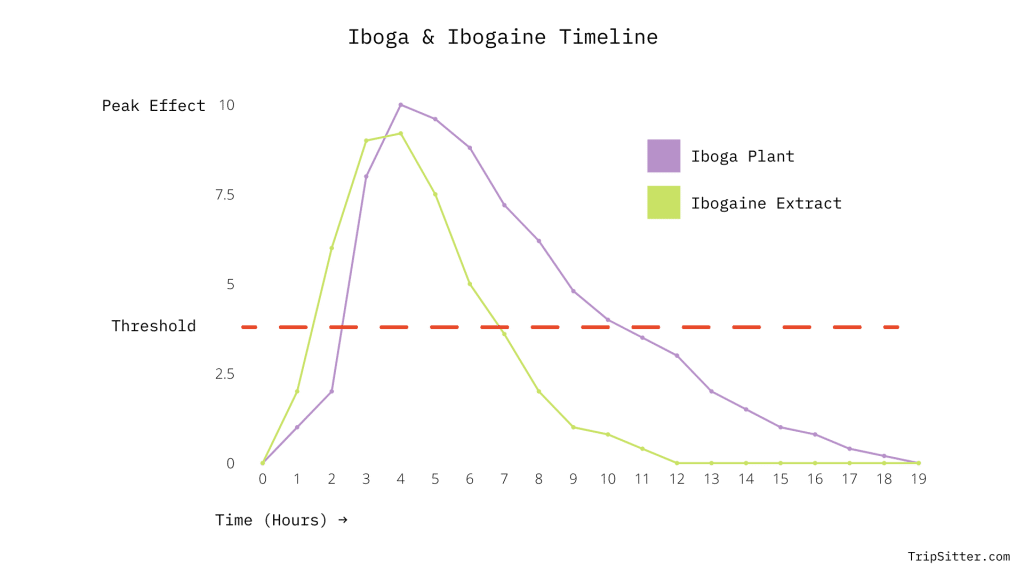
There are two different ways of using ibogaine — the raw root bark of the iboga plant and concentrated ibogaine. The iboga root contains 11 other alkaloids — many of which are thought to be biologically active on their own.
The effects of iboga root last longer and are much more likely to induce a spiritual experience than concentrated ibogaine.
With that said, both the iboga plant and ibogaine experience can be broken down into two phases — the visionary stage and the introspection phase.

How Iboga Root Bark Works in the Brain and Body
Iboga root bark’s primary active alkaloid, ibogaine, acts on multiple neurotransmitter systems. Notably, it functions as a serotonin reuptake inhibitor, a kappa-opioid receptor agonist, and a NMDA receptor antagonist.
This multi-faceted mechanism results in several key effects:
- Resetting dopamine pathways, which can disrupt addiction cycles
- Enhancing neuroplasticity, promoting long-term mental flexibility
- Inducing REM-like visionary states, facilitating emotional release
- Modulating serotonin and endorphins, contributing to mood regulation
Due to its complexity, iboga’s experience is often described as dream-like yet lucid, introspective yet physically intense.
How Long Does Ibogaine Last?
The acute effects of concentrated ibogaine can last up to 8 hours, with an additional 10 hours of mild lucidity and deep introspection.
Iboga root bark lasts much longer — it’s not uncommon for the visionary stage to last a full 24 hours and the introspective stage an additional 48 hours.
Users should allow at least three days for an ibogaine session. One day beforehand to prepare (at least), one full day (24 hours) for the experience, and an additional day to recover and relax.
Modern Therapeutic Applications
Beyond its traditional use, iboga root bark is now being applied in therapeutic settings for a variety of conditions. These include:
- Substance dependence (opioids, alcohol, stimulants)
- Depression and anxiety disorders
- Post-traumatic stress disorder (PTSD)
- Behavioral addictions (e.g., gambling, pornography)
- Personal development and spiritual awakening
Although iboga is not a first-line treatment, it offers significant promise—especially when other treatments have failed. As research continues, its potential as a tool in integrative medicine grows increasingly evident.
Iboga Root Bark for Addiction Treatment
One of iboga’s most well-known applications is in the realm of addiction recovery. Unlike conventional detox medications that merely mask withdrawal symptoms, ibogaine appears to reset the brain’s reward circuitry.
Furthermore, iboga root bark often eliminates withdrawal symptoms entirely, particularly for opioid users. This is a remarkable outcome that no other plant medicine or pharmaceutical can match.
In combination with psychotherapy and lifestyle changes, iboga can serve as a foundational experience that launches sustained recovery. However, this process must be carefully supervised, due to its intensity and potential risks.
Mental Health and Emotional Healing
Although iboga is not widely used for mood disorders alone, it has shown great potential in treating deep-rooted emotional trauma. Because it brings subconscious material to the surface, users frequently revisit past events, reframe limiting beliefs, and confront inner fears.
In many cases, people report a heightened sense of clarity, forgiveness, and resolution after a single iboga journey. Therefore, it is increasingly used by trauma-informed facilitators and integration coaches.
Microdosing Iboga Root Bark
While traditional and therapeutic uses typically involve high doses, microdosing iboga root bark is becoming a popular option. Microdosing entails consuming sub-perceptual amounts—typically 50–300 mg of dried root bark—on a regular schedule.
Reported benefits include:
- Enhanced focus and cognitive performance
- Increased emotional resilience
- Reduction in addictive cravings
- Gentle spiritual opening without full immersion
Because of its stimulating nature, it is usually best to microdose in the morning. Nonetheless, working with a trained guide or coach can help fine-tune your dosage and intentions.
Dosage Guidelines and Preparation Methods For Iboga Root Bark
Dosage varies based on body weight, tolerance, and desired depth of experience. However, general guidelines are as follows:
- Microdose: 50–300 mg dried root bark (daily or every third day)
- Low dose: 2–4 grams (mild effects)
- Therapeutic dose: 5–10 grams (introspective and detoxifying)
- Flood dose: 15–30 grams (deep psycho-spiritual immersion)
Preparation usually involves grinding the bark into a powder or steeping it into a tea. Although tea may be gentler on the stomach, it may also reduce potency. Therefore, many users prefer capsules or direct ingestion for reliability.
What to Expect During an Iboga Experience
An iboga journey is unlike any other psychedelic experience. Typically lasting 12–24 hours, it unfolds in several distinct phases:
- Onset (0–2 hours): Physical effects emerge—nausea, ataxia, and energy shifts
- Visionary Phase (2–8 hours): Inner visual journeys, life reviews, and deep introspection
- Processing Phase (8–20 hours): Emotional release and cognitive integration
- Recovery Phase (20–36 hours): Exhaustion followed by clarity, lightness, and afterglow
Although challenging, many describe the experience as deeply healing. Due to its length and intensity, support from experienced sitters or facilitators is strongly advised.
Aftercare and Integration
Integration is essential to make sense of the iboga experience. While the insights can be profound, lasting transformation depends on how one applies those insights in daily life.
To support integration:
- Journal frequently to track thoughts, dreams, and emotional shifts
- Talk with a therapist or integration coach familiar with iboga
- Engage in grounding practices like yoga, breathwork, or time in nature
- Adjust lifestyle habits that no longer serve you
Moreover, integration should be seen as a long-term journey, not just a short-term task.
Potential Risks and Side Effects Of Iboga Root Bark
Despite its healing potential, iboga is not without risks. Common side effects include:
- Nausea and vomiting
- Dizziness and disorientation
- Insomnia or hypersomnia
- Temporary ataxia (loss of coordination)
More seriously, iboga can affect cardiac function. Therefore, individuals with preexisting heart conditions must undergo ECG screening before any therapeutic use. Also, combining iboga with SSRIs, stimulants, or alcohol can be dangerous.
For this reason, responsible use with medical supervision is strongly recommended.
Legal Status Around the World
Iboga and ibogaine’s legal status varies widely by country:
- United States: Schedule I (illegal, except in sanctioned research)
- Canada: Prescription-only
- United Kingdom: Class A substance
- Mexico: Legal, often used in treatment centers
- New Zealand and South Africa: Controlled but accessible via special permits
- Gabon and Cameroon: Legal and protected as part of spiritual traditions
As such, always research local laws before acquiring or using iboga root bark.
Storage and Shelf Life
Iboga root bark should be stored in a cool, dark, and dry location. Ideally, place it in an airtight container away from direct sunlight and moisture.
When stored properly, it can retain potency for several years. Labeling and securing it from children or pets is also crucial.
Final Thoughts on Responsible Use
Iboga root bark is not a casual psychedelic. It is a master plant teacher that demands respect, humility, and preparation. When used intentionally, it can facilitate profound transformation, detoxification, and spiritual renewal.
Whether you’re drawn to it for addiction recovery, emotional healing, or spiritual exploration, approaching iboga with reverence and support will yield the most beneficial results. Therefore, surround yourself with experienced guides, prepare deeply, and integrate thoughtfully.
Ultimately, iboga doesn’t just offer a journey—it offers a return to your most authentic self.