Description
Everything You Need to Know About MDMA Pills
MDMA pills, often referred to as “ecstasy” or “molly” (when in powder form), are synthetic psychoactive substances known for their euphoric, empathogenic, and stimulant effects. While commonly associated with nightlife, festivals, and rave culture, MDMA has also become a serious topic of study within the realm of mental health therapy. Indeed, many now recognize MDMA not just as a recreational drug, but as a potential breakthrough treatment for conditions such as PTSD, depression, and anxiety.
Table of Contents
- Introduction to MDMA Pills
- What Is MDMA?
- History and Development
- Chemical Structure and Mechanism of Action
- Common Street Names and Forms
- How MDMA Pills Are Made
- Effects of MDMA Pills
- Therapeutic Uses of MDMA
- Dosage Guidelines
- How to Take MDMA Pills Safely
- Risks and Side Effects
- MDMA and Harm Reduction
- Legal Status Around the World
- MDMA in Research and Clinical Trials
- Storage, Purity, and Testing
- Final Thoughts and Responsible Use
Introduction to MDMA Pills
MDMA pills contain 3,4-methylenedioxymethamphetamine, a synthetic drug that alters mood and perception. Although initially synthesized in the early 20th century, MDMA gained popularity in the 1980s rave scene. Today, however, it is undergoing a transformation—from party drug to potential medicine.
Therefore, understanding the nuances of MDMA pills is crucial not only for those who use them recreationally, but also for individuals interested in their therapeutic potential. This guide aims to provide a full-spectrum overview so you can make informed decisions.
What Is MDMA Pills?
MDMA is a psychoactive substance that acts as both a stimulant and a psychedelic. It increases the activity of three neurotransmitters in the brain: serotonin, dopamine, and norepinephrine. As a result, users often experience elevated mood, increased empathy, and heightened sensory perception.
Because MDMA impacts serotonin levels so significantly, it creates a strong feeling of emotional closeness, making it particularly useful in therapeutic settings where emotional openness is key.
History and Development
Although MDMA was first synthesized in 1912 by the German pharmaceutical company Merck, its psychoactive properties weren’t explored until decades later. In the 1970s and 1980s, psychotherapists began using MDMA as a tool to enhance communication in therapy sessions.
However, due to its rising popularity in the party scene and subsequent concerns over misuse, MDMA was classified as a Schedule I drug in many countries, halting medical research for years. Fortunately, recent interest has revived clinical studies, especially in the field of PTSD treatment.
Chemical Structure and Mechanism of Action
Chemically, MDMA is similar to both stimulants and hallucinogens. Once ingested, it rapidly crosses the blood-brain barrier and releases large amounts of serotonin, along with dopamine and norepinephrine.
Because of this sudden release, users feel a rush of pleasure, increased empathy, and a sense of connection. At the same time, the brain experiences an increased release of hormones like oxytocin and vasopressin, which further contribute to feelings of trust and bonding.
Common Street Names and Forms Of MDMA Pills
MDMA pills are known by various names including:
- Ecstasy
- Molly (typically refers to powder form)
- E, X, XTC, Adam, Love Drug
- Rolls, Beans, Disco Biscuits
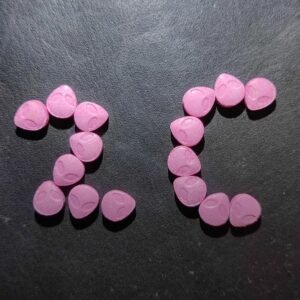
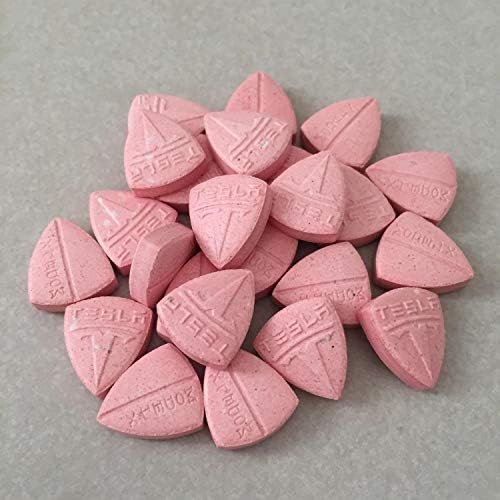
These pills often come in a variety of colors, shapes, and logos, which can vary widely in purity and composition. For this reason, testing is always recommended.
How MDMA Pills Are Made
Illicit MDMA production generally takes place in underground labs using safrole or related precursors. Because these environments are unregulated, pills may contain other substances such as methamphetamine, caffeine, or synthetic cathinones (“bath salts”).
Therefore, anyone considering MDMA use should always test their product using reagent kits or lab testing services like DanceSafe or the Bunk Police.
Effects of MDMA Pills
Positive Effects
- Euphoria
- Increased sociability
- Enhanced sensory perception
- Emotional openness
- Decreased anxiety
Negative Effects
- Jaw clenching
- Nausea
- Sweating and chills
- Insomnia
- Anxiety or paranoia (especially with high doses)
The effects typically begin 30–60 minutes after ingestion and last for about 4–6 hours. However, the emotional afterglow can last several days.
Therapeutic Uses of MDMA Pills
In recent years, MDMA-assisted therapy has gained traction, particularly for treating PTSD. Clinical trials led by organizations like MAPS (Multidisciplinary Association for Psychedelic Studies) have shown that MDMA can significantly reduce PTSD symptoms when combined with psychotherapy.
Moreover, researchers are exploring its use in couples therapy, anxiety related to terminal illness, and social anxiety in autistic adults. Unlike many conventional treatments, MDMA provides a catalyst for rapid emotional breakthroughs.
Dosage Guidelines For MDMA Pills
Dosage varies based on body weight, sensitivity, and desired intensity. Nonetheless, general dosage recommendations include:
- Light dose: 40–75 mg
- Moderate dose: 75–125 mg
- Strong dose: 125–160 mg
It is common practice to take a “booster” dose (around half of the original dose) 1.5–2 hours after the initial ingestion to prolong the effects.
How to Take MDMA Pills Safely
To minimize risks:
- Always test your pill for purity
- Start with a low dose, especially if you’re inexperienced
- Stay hydrated but avoid overhydration
- Take breaks from dancing or physical exertion
- Have a trusted friend or trip sitter nearby
Additionally, avoid redosing frequently, as this can increase neurotoxicity and diminish the emotional benefits.
Risks and Side Effects
Although many users find MDMA enjoyable, it is not without risks:
- Serotonin depletion (can cause a “crash”)
- Increased heart rate and blood pressure
- Risk of hyperthermia in hot environments
- Potential for psychological dependence
Furthermore, high doses or adulterated pills can lead to more serious complications, such as serotonin syndrome or seizures.
MDMA and Harm Reduction
Harm reduction is essential when using MDMA. Therefore, always:
- Use reagent testing kits
- Stay in cool environments
- Space out use (at least 4–6 weeks between sessions)
- Support brain recovery with supplements like 5-HTP and magnesium
Organizations like DanceSafe offer valuable resources for safe and informed use.
Legal Status Around the World
MDMA is currently classified as a Schedule I substance in the U.S., meaning it is illegal to manufacture, possess, or distribute. However, research exemptions exist for clinical trials.
Internationally:
- UK: Class A drug
- Canada: Schedule III
- Australia: Schedule 9 (prohibited substance)
- Netherlands: Illegal but decriminalized in small quantities
Some countries, however, are considering reforms, particularly in light of successful clinical trials.
MDMA in Research and Clinical Trials
Multiple Phase 3 clinical trials are underway or completed, showing strong evidence for MDMA’s efficacy in treating PTSD. The FDA has even granted MDMA-assisted therapy “Breakthrough Therapy” designation, expediting its research.
In addition to PTSD, new trials are investigating its potential in treating alcohol dependence and eating disorders.
Storage, Purity, and Testing
Proper storage ensures MDMA pills retain potency:
- Store in a cool, dry place
- Use airtight containers
- Avoid light and moisture exposure
Purity testing can prevent harmful reactions. Consider using multiple types of reagent kits or third-party lab services.
Why choose MDMA over other psychedelics?
MDMA…
Long-term benefits & side effects
Many of the benefits will only occur if you follow the tips below.
Most (if not all) of the side effects are preventable and they will not happen if you follow the Safety checklist.
MDMA…
How to take MDMA
Pills vs. Powder
MDMA mainly comes in 2 forms: powder and pill form (Ecstasy).
Taking a pill is not recommended for 2 reasons:
1) The pills are notoriously cut with other drugs that are cheaper to produce (methamphetamine is a common substitute).
2) The amount of MDMA in a pill varies greatly. An average pill sold on the street has on average 150 mg of MDMA but it can contain as little as 50 mg or as much as 300 mg.
Whichever form you choose, always test your substance with a Marquis Reagent Testing Kit. If the substance turns black, you most likely have real MDMA.
If you take a pill form, start smaller than you would because you cannot know how much MDMA is in there.
Where to get MDMA
These are the ways you can get your hands on the psychedelic, ranked from the safest to the least safe:
Buying chemicals similar to MDMA
Research chemicals, such as 6-APB are similar to MDMA as far as their effects and chemical structure. They are most likely safe but proceed with caution because there isn’t a lot of data about them.
Many of these chemicals are completely legal as long as you buy them for “chemical research” purposes. You cannot consume them legally but whether or not anyone cares is a different story.
Perhaps the best provider of research chemicals is Chemical Collective.
Their products are cheap, the company is extremely reliable and they will deliver the chemicals to you within 20 days. In case the package gets lost, you can ask them to send you a new one and they will.
Some research chemicals may not be legal where you live so always check the legality status for your country before you buy any substance.
If you don’t do that, the police won’t arrest you but you can’t expect to receive the package either.
FAQ
Final Thoughts and Responsible Use
In conclusion, MDMA pills represent a fascinating intersection of neuroscience, psychology, and culture. While they offer euphoric and emotionally enriching experiences, responsible use is crucial.
Whether you’re considering MDMA for therapeutic growth or recreational use, always prioritize safety, education, and intentionality. By doing so, you not only enhance your experience but also reduce the risks associated with improper use.
Ultimately, MDMA holds enormous promise—not just as a party drug, but as a profound tool for healing and human connection.